



In the modern household, few appliances are as essential—or as overlooked—as the vacuum cleaner. What began as a horse-drawn manual pump has evolved into autonomous robotic assistants and high-performance cyclones. Understanding the nuances of suction, filtration, and floor types is the key to maintaining a healthy, allergen-free home.
1. A Brief History: From Bellows to Bots
The journey of the vacuum cleaner is a testament to human ingenuity:
- 1860s: The first manual “carpet sweepers” used bellows and hand-cranks.
- 1901: Hubert Cecil Booth introduced the first powered vacuum, but it was so large it stayed on a horse-drawn carriage outside the house.
- 1908: James Spangler created the first portable electric vacuum, selling the patent to William Hoover.
- 1980s: James Dyson revolutionized the industry by applying cyclonic separation, eliminating the need for bags.
- 2000s–Present: The rise of lithium-ion batteries and LiDAR-based navigation has shifted the focus to cordless and robotic models.
2. Types of Vacuum Cleaners
Choosing the right vacuum depends entirely on your home’s architecture and your physical comfort.
| Type | Best For | Pros | Cons |
|---|---|---|---|
| Upright | Large carpeted areas | Powerful suction, wide cleaning path | Heavy, hard to use on stairs |
| Canister | Hard floors & stairs | Quiet, maneuverable, versatile | Bulky to store, requires dragging |
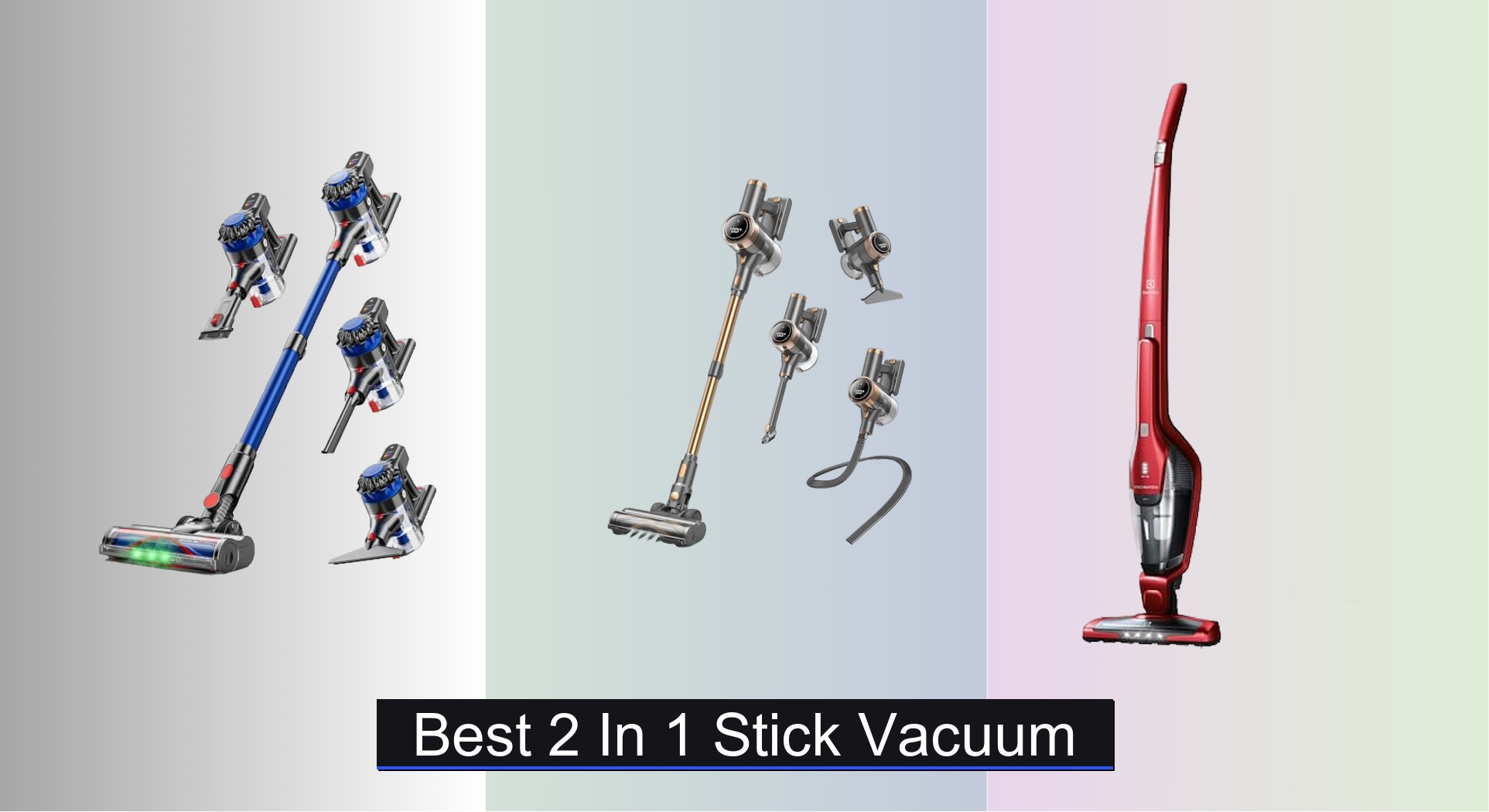
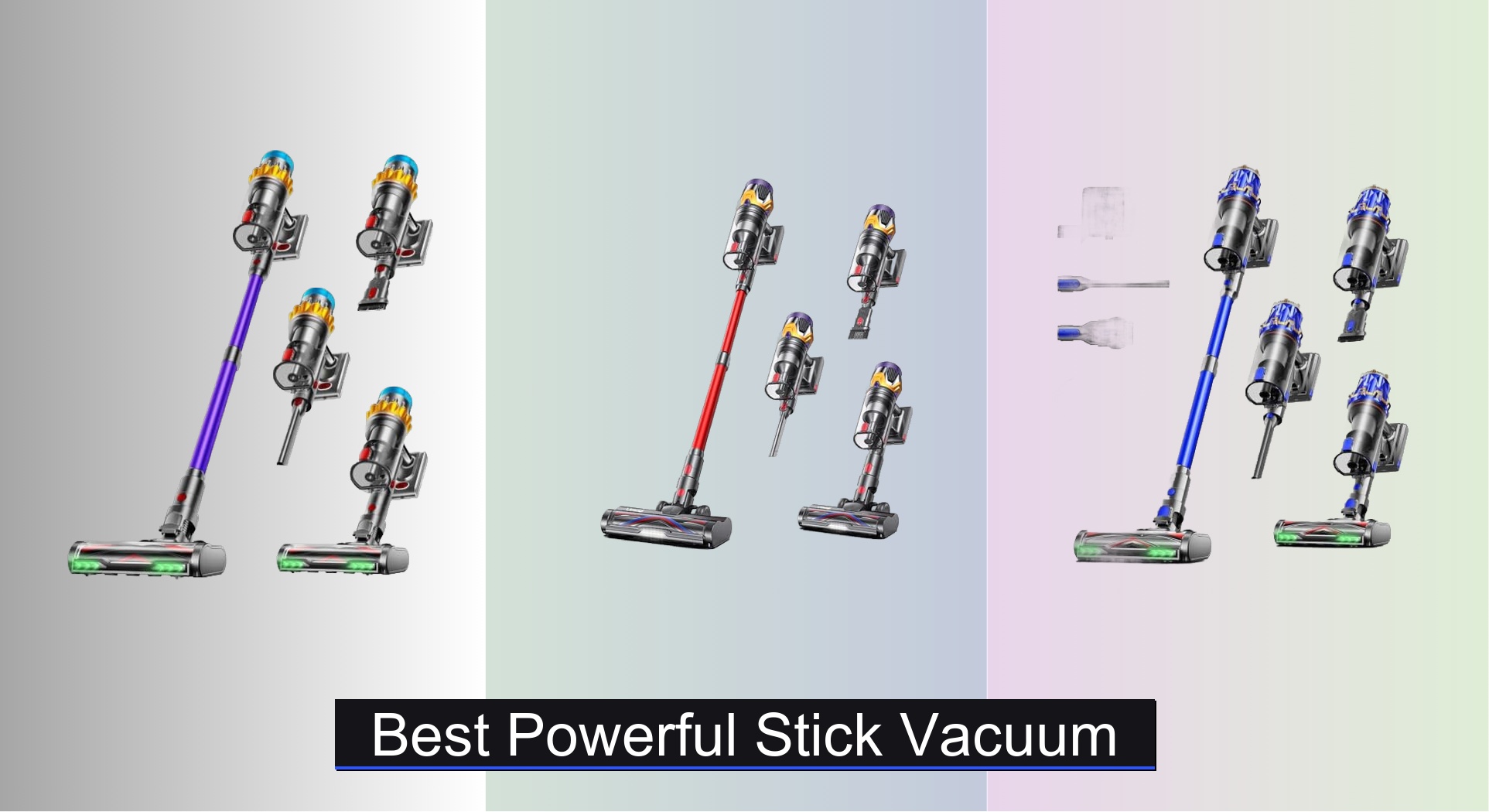
| Stick/Cordless | Quick pickups, small flats | Lightweight, no cord hassle | Limited battery life, smaller bins |
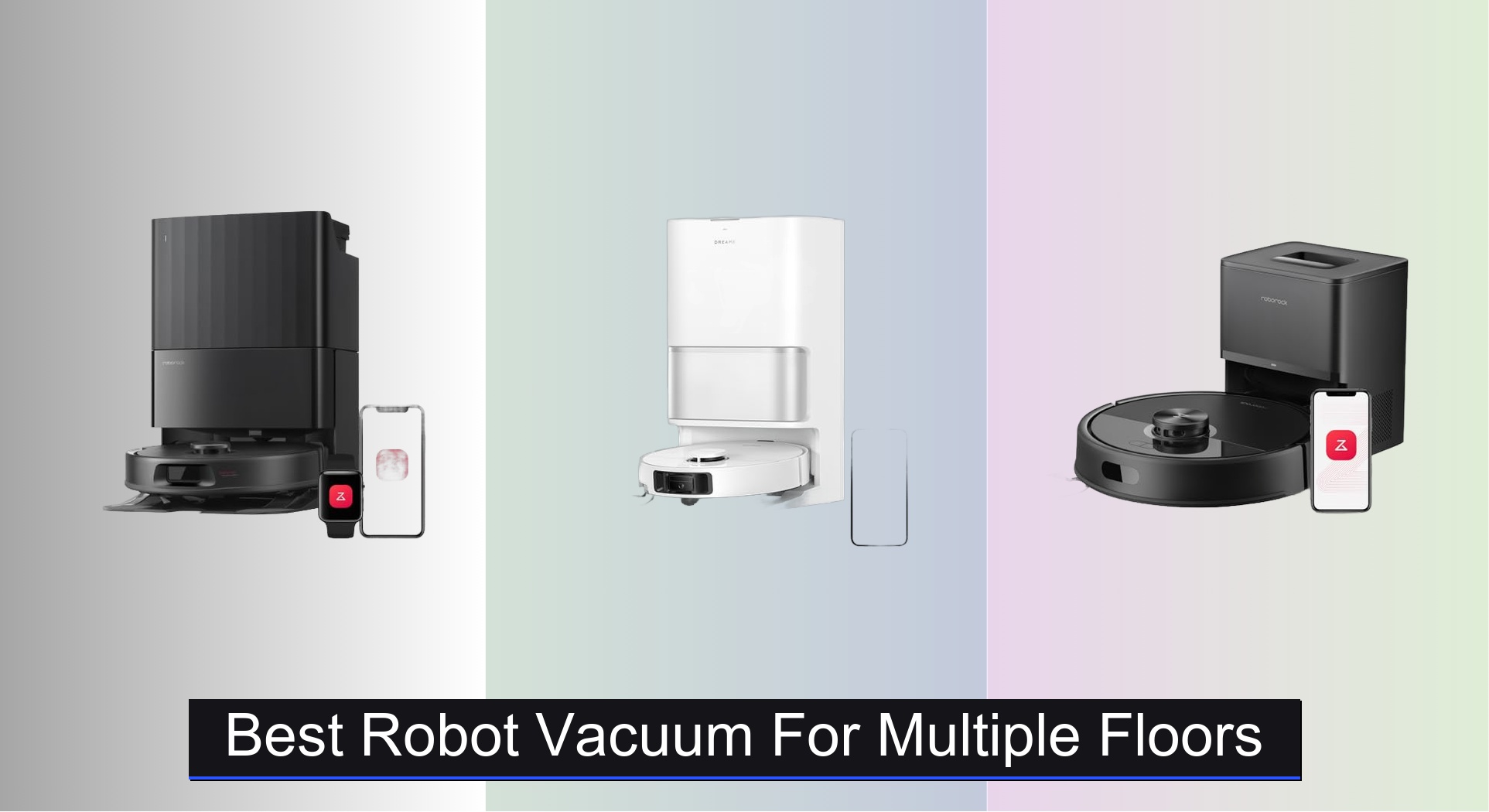
| Robot | Daily maintenance | Autonomous, fits under furniture | Less power, requires “robot-proofing” |
| Handheld | Cars & upholstery | Portability | Not for floors |
3. The Science of Suction
To understand how a vacuum works, we have to look at the physics of Airflow vs. Sealed Suction.
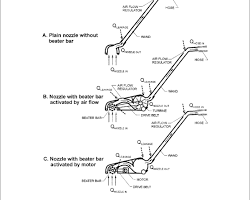
The Motor and Fan
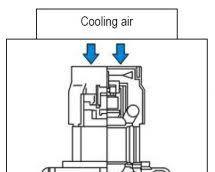
The heart of the machine is the motor, which spins a fan to create a low-pressure area inside the device. Atmospheric pressure from the room rushes in to fill this “vacuum,” carrying dirt and debris with it.
Measurement Units
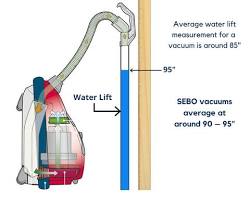
- Air Watts (AW): A measurement of the motor’s power combined with the airflow. This is often the most accurate representation of cleaning performance.
- Pascal (Pa): Frequently used for robot vacuums to measure the “lifting” pressure.
- CFM (Cubic Feet per Minute): Measures the volume of air moving through the system.
4. Filtration Systems: The HEPA Standard
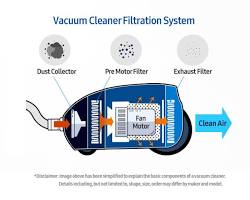
A vacuum without a good filter is simply a “dust redistributor.” If the air escaping the vacuum isn’t cleaner than the air entering it, you aren’t truly cleaning.
What is HEPA? High-Efficiency Particulate Air (HEPA) filters are rated to trap 99.97% of particles that are 0.3 microns in size. This includes pollen, pet dander, and even some bacteria.
Bagged vs. Bagless
- Bagged: Better for allergy sufferers. The bag acts as a giant filter and prevents “dust clouds” when emptying.
- Bagless: More convenient and eco-friendly. Uses cyclonic action to spin dirt out of the air.
5. Specialized Features to Look For
When shopping, look beyond the price tag at these specific engineering choices:
Brush Rolls (Beater Bars)
For carpets, you need a motorized brush roll to agitate fibers and lift embedded dirt. For hard floors, a soft roller is preferable to prevent scratching and to pick up large debris like cereal.
Sensors and Intelligence
Modern vacuums (especially cordless and robots) now include:
- Acoustic Dust Sensors: Detects dirt levels and increases suction automatically.
- Tangle-Free Technology: Conical brush bars that prevent hair from wrapping around the roller.
- LiDAR Mapping: Used by robots to “see” the room in 3D using lasers.
6. Maintenance for Longevity
A vacuum’s lifespan is directly tied to how it is treated.
- Wash the Filters: Most bagless vacuums have washable pre-motor filters. Dry them for at least 24 hours before reinserting.
- Clear the Brush: Long hair can melt the bearings of a brush roll if not cleared regularly.
- Check for Blockages: If suction drops, check the hose “elbow” where debris often gets stuck.
7. Conclusion
The “best” vacuum cleaner isn’t the most expensive one; it’s the one that fits your lifestyle. If you have a multi-story home with thick rugs, an Upright or Canister is a must. If you live in a sleek, hardwood-floor apartment, a Stick or Robot vacuum will change your life.
By prioritizing HEPA filtration and the right attachments, you ensure that your home isn’t just visually clean, but microscopically healthy.