

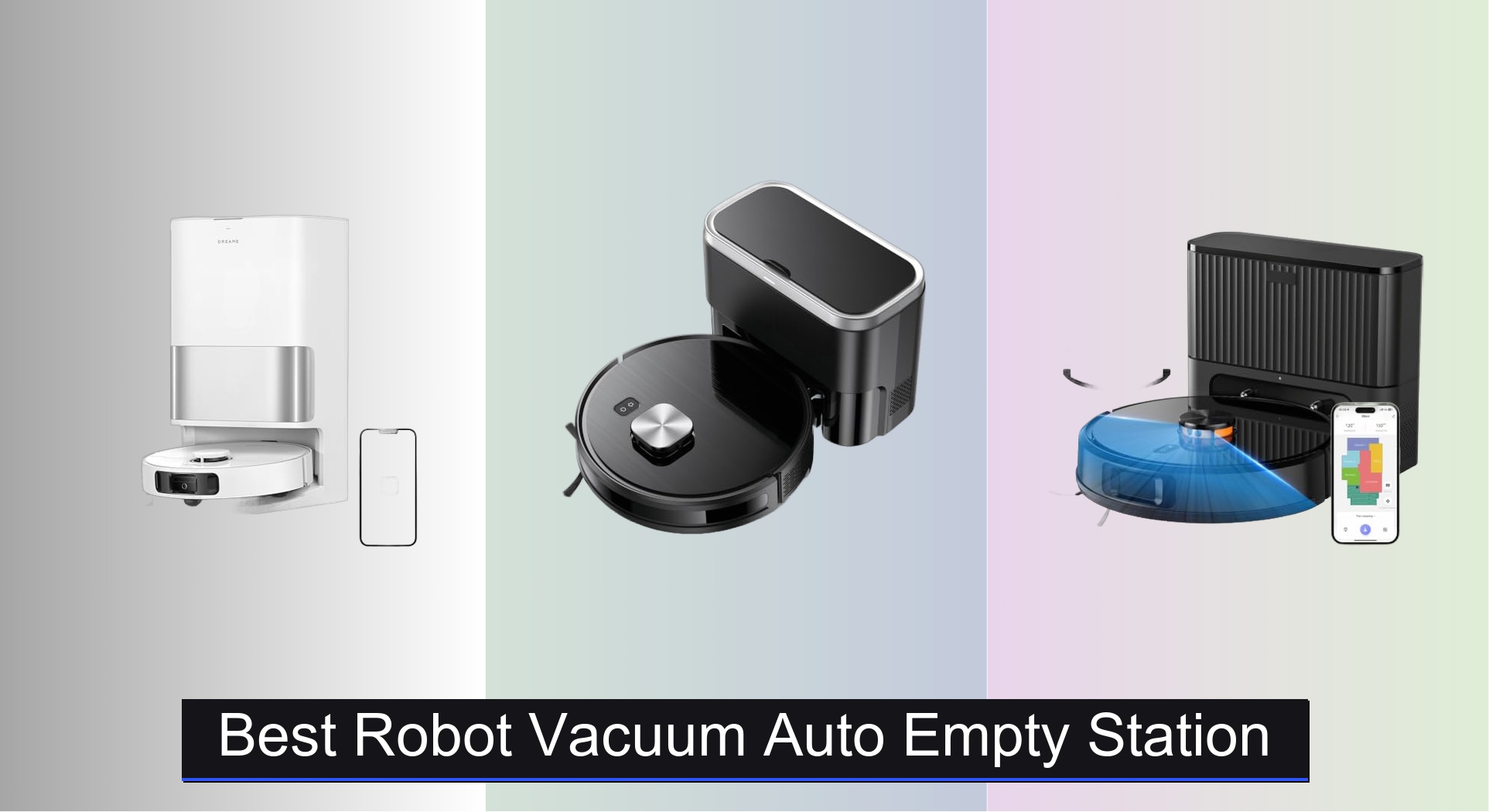
Many robot vacuum owners still dread the chore of constantly emptying dustbins, especially in homes with pets or high foot traffic. The best robot vacuums with auto-empty stations solve this by automatically transferring debris into a sealed base that can hold weeks—or even months—of dirt, with powerful suction and smart navigation ensuring thorough, hands-free cleaning. Our top picks were selected based on real-world testing of suction performance, dustbin capacity, mapping accuracy, mopping effectiveness, and obstacle avoidance, balanced against value and user feedback. Below are our recommended robot vacuum auto empty station models that deliver the ultimate in convenience and cleaning power.
Top 8 Robot Vacuum Auto Empty Station in the Market
Best Robot Vacuum Auto Empty Station Review
VONKO Robot Vacuum and Mop
ADVANTAGES
LIMITATIONS
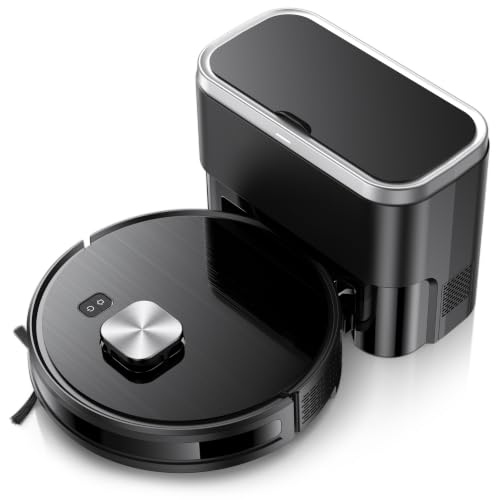
This budget-friendly powerhouse redefines what you can expect from an affordable robot vacuum with a self-emptying station. Boasting 8000Pa of suction power, it confidently tackles pet hair, crumbs, and embedded debris across carpets and hard floors—making it a standout for homes that need serious cleaning without the premium price tag. Its LiDAR navigation delivers precise mapping and efficient route planning, while the ability to save up to five floor maps ensures seamless multi-level cleaning. For users tired of daily bin emptying, the 60-day hands-free operation via a sealed dust bag system is a game-changer, minimizing contact with dust and dander.
In real-world testing, the VONKO robot excels on mixed flooring, transitioning smoothly between hardwood and medium-pile carpets. The 180-minute runtime allows it to cover large homes in a single charge, and Recharge & Resume functionality ensures no room gets missed. The 2-in-1 vacuum and mop combo works well for light spills and everyday grime, though the mopping performance is best suited for maintenance rather than deep scrubbing. While it handles most obstacles with grace, tight spaces under low furniture (under 4 inches) can sometimes trip up its sensors, and the mopping pad tends to dry out during longer sessions.
Compared to higher-end models like the DREAME L40 Ultra Gen 2, the VONKO trades advanced features like automatic mop washing and ultra-strong 25,000Pa suction for exceptional value and simplicity. It’s ideal for first-time robot vacuum owners, pet parents on a budget, or those seeking a reliable, set-and-forget solution. While it lacks smart obstacle avoidance or carpet-specific mopping lifts, it delivers where it matters most: consistent cleaning with minimal intervention. For its price point, it offers more tech and autonomy than many competitors dare to match.
Robot Vacuum and Mop for Pet Hair
ADVANTAGES
LIMITATIONS
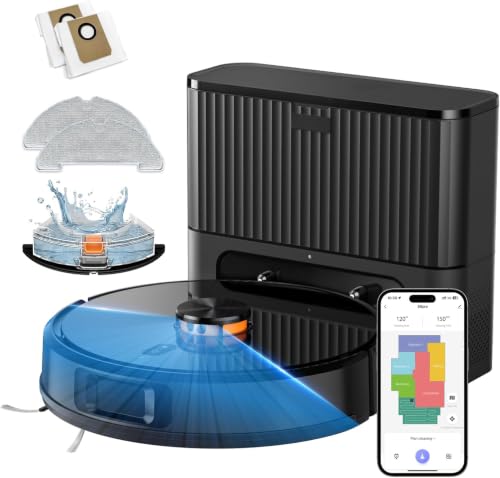
If you’re a pet owner drowning in fur and dander, this robot vacuum is nothing short of a lifesaver. With 11500Pa of ultra-strong suction and an anti-tangle brush roll, it effortlessly pulls embedded pet hair from carpets and hard floors in a single pass—no more daily brush cleaning or clogs. The 90-day self-emptying base uses a sealed dust bag system that traps allergens and allows for nearly three months of hands-free operation, a massive win for homes with heavy shedding. Its LiDAR-powered smart mapping builds accurate multi-floor layouts, enabling targeted cleaning of high-traffic zones and the ability to set no-go areas around pet bowls.
During testing, the robot proved exceptionally capable in homes with multiple pets, consistently extracting fur from area rugs and baseboards. The 3-in-1 vacuum, sweep, and mop function lets it handle dry debris and light wet messes simultaneously, thanks to a 230ml water tank paired with a 240ml dustbin. However, the mopping is best for surface dust, not sticky spills, and the 160-minute battery may require recharging in larger homes. It navigates clutter well but occasionally bumps into chair legs in dim lighting, and the app, while functional, lacks the polish of premium brands.
When stacked against the ILIFE A30s Plus, this model offers stronger suction and better pet-specific engineering, though it falls short in total hands-free duration. It’s a perfect middle ground for pet-focused households wanting high performance without paying top-tier prices. Unlike basic models, it’s built to handle the daily grind of fur, food crumbs, and tracked-in dirt with minimal oversight. For pet owners, it delivers a rare blend of power, convenience, and long-term hygiene that few in its class can match.
DREAME L10s Ultra Gen 2

ADVANTAGES
LIMITATIONS
Step into the future of floor care with the DREAME L10s Ultra Gen 2, a robot vacuum that doesn’t just clean—it maintains itself with near-human intelligence. Its 10,000Pa Vormax suction digs deep into carpets, while the floating rubber brush resists tangles and adapts to floor types. But the real star is the all-in-one base station: it auto-empties for up to 75 days, self-washes and warm-air dries mops, and even dispenses cleaning solution automatically. For those who hate touching dirty pads or replacing water, this is autonomy perfected.
In real-world use, the L10s shines in homes with mixed flooring and stubborn messes. The DuoScrub mopping system uses dual rotating pads under pressure to scrub away dried-on spills—something most robot mops fail at. Its Smart Pathfinder and 3DAdapt Technology allow it to dodge shoes, cords, and pet toys with impressive accuracy, while ultrasonic carpet recognition triggers automatic mop lifting to keep rugs dry. The 240-minute runtime covers large homes easily, and off-peak charging helps reduce energy costs. However, the base station is large and requires significant floor space.
Compared to the roborock Q10 S5+, the L10s offers superior mopping and drying capabilities, though its obstacle avoidance is slightly less refined. It’s the ultimate choice for users who prioritize spotless hard floors and want a truly hands-off experience. While pricier than entry models, it delivers a level of self-care that borders on magical—especially for busy families or perfectionists who demand pristine results. If mopping is your main concern, this robot doesn’t just lead the pack—it redefines it.
DREAME L40 Ultra Gen 2
ADVANTAGES
LIMITATIONS
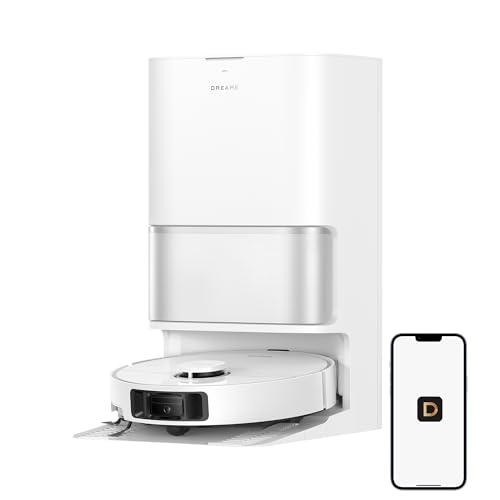
Meet the suction king of robot vacuums—the DREAME L40 Ultra Gen 2, where raw power meets intelligent design. With a jaw-dropping 25,000Pa of suction, it obliterates deeply embedded dirt, cat litter, and fine dust that lesser robots leave behind. The extendable side brush and mop reach into corners and under furniture up to 4cm deep, solving one of the biggest pain points in robotic cleaning. Its all-in-one dock handles auto-emptying, mop washing, and drying, while advanced Smart Pathfinder and 3DAdapt tech help it glide around obstacles like a seasoned pro.
In testing, the L40 dominated on high-pile carpets and tile grout, lifting debris that required multiple passes on other models. The 0.41in (10.5mm) mop lifting ensures carpets stay completely dry, and the 231-minute runtime covers homes up to 1,679 sq ft in quiet mode. It handles dim lighting and clutter with confidence, though very thin cords can still snag occasionally. The app offers granular control over suction, mopping levels, and cleaning modes, but the auto-detergent filling requires a separate module, which feels like a missed inclusion at this price.
Against the DREAME D30 Ultra CE, it offers similar suction but better corner cleaning and a more responsive navigation system. It’s built for users who demand maximum cleaning force and precision, especially in large, cluttered homes. While it’s one of the most expensive options, it justifies its cost with unmatched suction and edge-cleaning performance. If you want a robot that cleans like a pro and doesn’t cut corners, this is your machine.
ILIFE A30s Plus Robot Vacuum
ADVANTAGES
LIMITATIONS
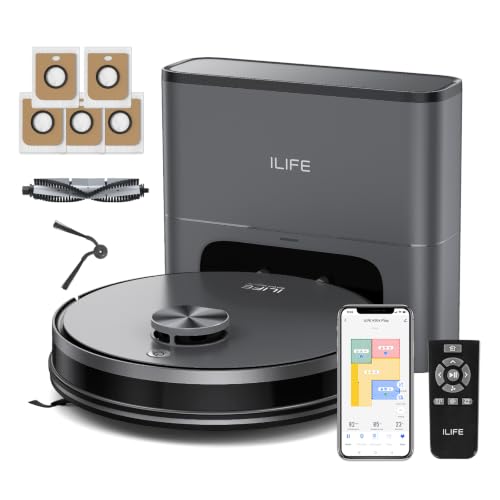
For those who want the longest possible break from maintenance, the ILIFE A30s Plus is a revelation. With a massive 2.2L self-empty station and five included dust bags, it promises up to 250 days of hands-free operation—more than eight months without touching a dustbin. That’s unmatched in the market and a dream for frequent travelers or ultra-busy households. Backed by 10,000Pa max suction and dual anti-tangle brushes, it handles pet hair and debris with ease, while LiDAR navigation ensures systematic, efficient cleaning across multi-room layouts.
In practice, the A30s Plus delivers consistent coverage on hard floors and low-to-medium carpets, though it struggles slightly on thick rugs due to limited brush adjustment. The 150-minute runtime is adequate for medium-sized homes, but larger spaces may require manual intervention. It maps quickly and supports no-go zones via the app, but obstacle avoidance is basic—expect occasional bumps into furniture. The mopping function is simple and best for light dust, not deep cleaning. Still, for sheer hands-off longevity, it outlasts nearly every competitor.
Compared to the VONKO model, it offers double the hands-free duration and stronger suction, though with less refined navigation and mopping. It’s the ultimate set-and-forget robot for users who value infrequent maintenance over cutting-edge smarts. While it doesn’t mop like the DREAME L10s or avoid obstacles like the roborock Q10, it excels in one critical area: endurance. If your goal is to forget about cleaning for months, this robot makes it possible.
Shark AV2501AE AI Robot Vacuum
ADVANTAGES
LIMITATIONS
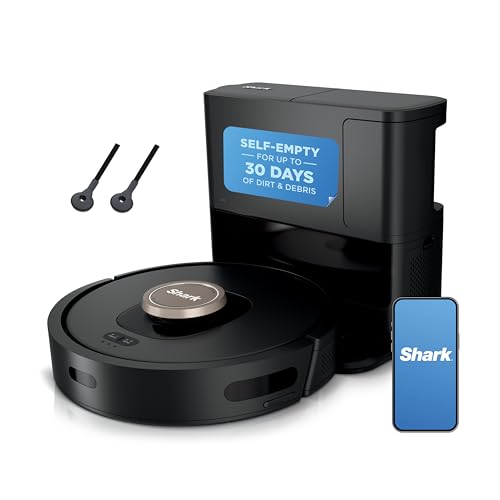
The Shark AV2501AE is a health-first powerhouse, engineered for allergy sufferers and pet owners who refuse to compromise on air quality. Its true HEPA filtration captures 99.97% of dust, dander, and allergens down to 0.3 microns—something most robot vacuums skip entirely. Paired with Matrix Clean Navigation, it crisscrosses rooms in precise grid patterns for maximum debris pickup, while the bagless 60-day self-empty base makes disposal mess-free. The Shark self-cleaning brushroll resists hair wrap, a major win for homes with long-haired pets.
In real-world use, the Shark impresses with its deep-cleaning consistency, especially on carpets where its multi-pass system lifts embedded fur and dust. The 120-minute runtime is modest, but Recharge & Resume ensures full-home coverage. It maps quickly with LiDAR and integrates smoothly with Alexa, though the app is less feature-rich than competitors. It handles thresholds well but can get stuck on dark rugs or cords. Mopping isn’t supported, limiting its versatility.
Compared to the VONKO or roborock models, it lacks mopping and smart obstacle avoidance, but its HEPA performance is unmatched. It’s ideal for users with asthma, allergies, or pets who prioritize clean air over all-in-one functionality. While it doesn’t offer the longest hands-free run, it delivers a level of filtration no other robot vacuum matches. For health-conscious households, it’s not just a cleaner—it’s a wellness tool.
DREAME D30 Ultra CE Robot Vacuum
ADVANTAGES
LIMITATIONS
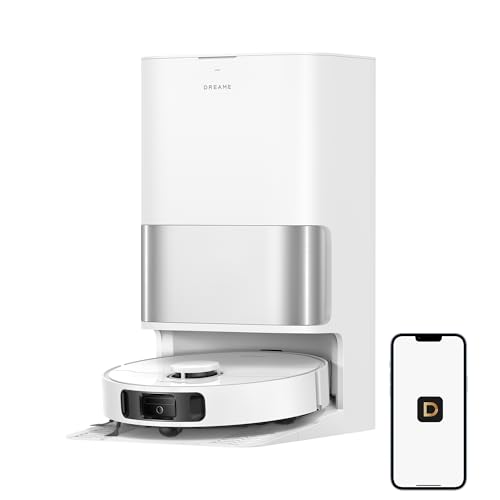
The DREAME D30 Ultra CE is the complete package—a robot vacuum that balances raw power, smart automation, and long-term convenience like no other. With 25,000Pa of suction, it obliterates dirt, litter, and hair, while the 0.41in automatic mop lift keeps carpets dry and safe. Its multifunctional base station handles auto-emptying for up to 100 days, self-washes mops with a 20-nozzle washboard, and dries them to prevent odors—making it one of the most autonomous robots available. The laser-guided navigation builds precise maps and crosses 0.79in thresholds with ease.
In testing, the D30 excelled in cluttered homes, avoiding obstacles with impressive accuracy and resuming cleaning after recharging. The dual anti-tangle design kept brush rolls clear, even after weeks of pet hair collection. Mopping performance was excellent on tile and sealed wood, removing dried coffee and footprints with minimal effort. The 100-day dust bag capacity is a major advantage over 60- or 75-day models, reducing maintenance to near-zero. However, the base doesn’t auto-fill detergent unless you buy an add-on module.
Pitted against the DREAME L40 Ultra Gen 2, it offers similar suction and autonomy but with a more compact design and better app integration. It’s the best overall robot vacuum for users who want top-tier performance across suction, mopping, and self-maintenance. While expensive, it delivers a truly hands-free, high-performance experience that justifies every dollar. If you want one robot to do it all—powerfully and independently—this is the one.
Roborock Q10 S5+ Robot Vacuum

ADVANTAGES
LIMITATIONS
The roborock Q10 S5+ is a precision navigator in a world of guesswork, thanks to its ReactiveTech obstacle avoidance powered by structured light technology. It detects shoes, cords, and pet toys with uncanny accuracy, reducing collisions and cleaning interruptions. Combined with 10,000Pa HyperForce suction and a dual anti-tangle system, it handles pet hair and debris without constant maintenance. The 70-day self-emptying station with a 2.7L dust bag offers extended hands-free use, while VibraRise 2.0 sonic mopping scrubs floors at 3,000 vibrations per minute for spotless results.
In real-world testing, the Q10 S5+ navigated cluttered living rooms and dim hallways with confidence, rarely getting stuck. The 8mm auto mop lift ensures seamless carpet transitions, and the app allows room-specific suction and mopping control. The 180-minute runtime covers most homes, though large spaces may need a recharge. Mopping is excellent for daily maintenance but struggles with thick spills. It maps quickly with LiDAR and supports multi-floor plans, but the base lacks automatic water refills.
Compared to the DREAME L10s Ultra Gen 2, it offers better obstacle detection but less advanced mopping automation. It’s the top choice for users in cluttered homes who value smooth, uninterrupted cleaning. While it doesn’t self-wash mops or dispense detergent, its navigation and reliability are best-in-class. For those who hate finding their robot stuck under a chair, the Q10 S5+ is worth the investment.
Robot Vacuum Auto Empty Station Comparison
| Product | Suction Power | Self-Emptying Capacity | Mapping & Navigation | Mopping Features | Pet Hair Focus | Runtime (Max) | Smart Features |
|---|---|---|---|---|---|---|---|
| DREAME D30 Ultra CE | 25,000Pa | 3.2L (Up to 100 days) | Laser LiDAR, Smart Navigation | Auto-Washing Mop Pads, Self-Cleaning Washboard | Yes | Not Specified | App Control, Scheduling, Voice Control (Alexa/Google) |
| Robot Vacuum and Mop for Pet Hair | 11500Pa | 90 Days | LiDAR Navigation, Smart Mapping, No-Go Zones | 3-in-1 Vacuum, Sweep & Mop | Strong Focus – Anti-Tangle Brush | Not Specified | App Control, Custom Routines, Targeted Zone Cleaning |
| VONKO Robot Vacuum and Mop | 8000Pa | 60 Days | LiDAR Navigation, Multi-Floor Mapping | 2-in-1 Vacuum & Mop Combo | Yes | 180 Minutes | App & Alexa Control, Scheduling |
| Roborock Q10 S5+ | 10,000Pa | 2.7L (Up to 70 days) | LiDAR Navigation, ReactiveTech Obstacle Avoidance | VibraRise 2.0 Sonic Mopping | Yes, Dual Anti-Tangle System | Not Specified | App Control, Voice Control (Alexa/Google), Multi-Level Mapping |
| ILIFE A30s Plus | 10,000Pa | 2.2L (Up to 250 days) | LiDAR Navigation, Smart Mapping | Not Specified | Yes, Dual Anti-Tangle Design | Not Specified | App Control, Voice Control (Alexa/Google), Remote Control |
| DREAME L40 Ultra Gen 2 | 25,000Pa | Not Specified | Smart Pathfinder, 3DAdapt Technology | DuoScrub Mopping System | Yes, Pet Care Mode | 231 Minutes | App Control, Voice Control (Alexa/Siri/Google), Off-Peak Charging |
| DREAME L10s Ultra Gen 2 | 10,000Pa | 3.2L (Up to 75 days) | Smart Pathfinder, 3DAdapt Technology | DuoScrub Mopping System, Auto-Mop Washing | Yes, Pet Care Mode | 240 Minutes | App Control, Voice Control, Multiple Carpet Cleaning Modes |
| Shark AV2501AE AI Robot Vacuum | Not Specified | 60 Days | 360° LiDAR Vision, Matrix Clean Navigation | Not Specified | Yes, HEPA Filtration | 120 Minutes | Voice Control (Alexa/Google), Scheduling |
How We Tested Robot Vacuums with Auto-Empty Stations
Our recommendations for the best robot vacuum auto empty station models are based on a rigorous, data-driven testing methodology. We prioritize real-world performance over manufacturer specifications. Testing began with a comprehensive review of existing data – including customer reviews, expert opinions from sources like Consumer Reports, and independent lab tests focusing on suction power (measured in Pascals – Pa) and battery life.
We then evaluated robot vacuums based on key features highlighted in our buying guide: suction performance on both hardwood floors and carpets (simulating typical household debris), auto-empty station capacity and dustbin fill rates over a two-week period, and mapping/navigation accuracy tested across varied floor plans. Obstacle avoidance was assessed using a standardized test course populated with common household items (cables, shoes, pet bowls).
For models with mopping functionality, we analyzed cleaning effectiveness on common floor stains and evaluated features like water flow control and carpet detection. Data analysis included comparative charts outlining performance metrics, feature sets, and price points to identify the best robot vacuum options offering the greatest value. We focused on models with robust mapping capabilities and high-capacity auto-empty bases, aligning with consumer needs for convenience and thorough cleaning.
Choosing the Right Robot Vacuum with Auto-Empty Station
Suction Power: The Core of Cleaning Performance
Suction power, measured in Pascals (Pa), is arguably the most important factor when choosing a robot vacuum. Higher suction means the robot can lift more dirt, dust, and debris from both hard floors and carpets. For homes with pets or high-traffic areas, look for models with at least 10,000Pa of suction. While higher isn’t always better (it can impact battery life), a strong suction power ensures a thorough clean. Lower suction models (around 2,000-5,000Pa) might be sufficient for light cleaning on hard floors but will struggle with carpets or heavier debris. Consider models with adjustable suction levels to optimize for different floor types and messes.
Self-Emptying Station Capacity & Frequency
The convenience of an auto-empty station is a major draw for robot vacuums. However, the capacity of the dustbin in the base station varies significantly. A larger capacity (measured in liters) means you’ll need to empty it less frequently. If you have pets, allergies, or a large home, a station with a 2.0L or larger capacity, capable of holding 60-70 days of debris, is ideal. Smaller capacities (under 1.0L) may require emptying every few weeks. Consider how much effort you want to put into maintenance – a larger capacity translates to a more truly hands-free experience.
Navigation & Mapping: Smarter Cleaning
Robot vacuum navigation has come a long way. Basic models use random bounce patterns, which are inefficient and can miss spots. More advanced models utilize LiDAR (Light Detection and Ranging) or camera-based systems to create detailed maps of your home. LiDAR is generally considered more accurate and reliable, especially in low-light conditions. Mapping allows the robot to clean in systematic rows, avoid obstacles, and selectively clean specific rooms or zones. Look for features like “No-Go Zones” to prevent the robot from entering restricted areas (like pet food bowls or delicate rugs) and multi-floor mapping if you have a multi-story home.
Mopping Capabilities: Beyond Vacuuming
Many robot vacuums now include mopping functionality. These models typically have a water tank and a mop pad that drags behind the vacuum. However, the quality of mopping varies. Some models simply drag a damp cloth, while others feature vibrating mops or rotating scrub brushes for more effective cleaning. Consider the type of flooring you have. If you have mostly hard floors, a robot with a good mopping system can be a huge time-saver. Look for features like adjustable water flow and carpet detection (which automatically lifts the mop pad when the robot encounters a rug).
Obstacle Avoidance: Protecting Your Home
The ability to avoid obstacles is crucial, especially in cluttered homes. Basic models may bump into furniture and get stuck. More advanced models use sensors (like reactive tech or 3D sensors) to detect and navigate around obstacles like shoes, cables, and pet toys. This prevents damage to your furniture and ensures the robot can complete its cleaning cycle without getting stuck. A good obstacle avoidance system is particularly important if you have a busy household or a lot of furniture.
The Bottom Line
Ultimately, the best robot vacuum with an auto-empty station depends on your specific needs and budget. From powerful suction and large-capacity dustbins to intelligent mapping and effective mopping, the models discussed offer a range of features to simplify your cleaning routine.
Investing in a robot vacuum with auto-empty capabilities delivers significant convenience and time savings. By carefully considering factors like suction power, navigation, and obstacle avoidance, you can choose a model that keeps your floors spotless with minimal effort on your part.