
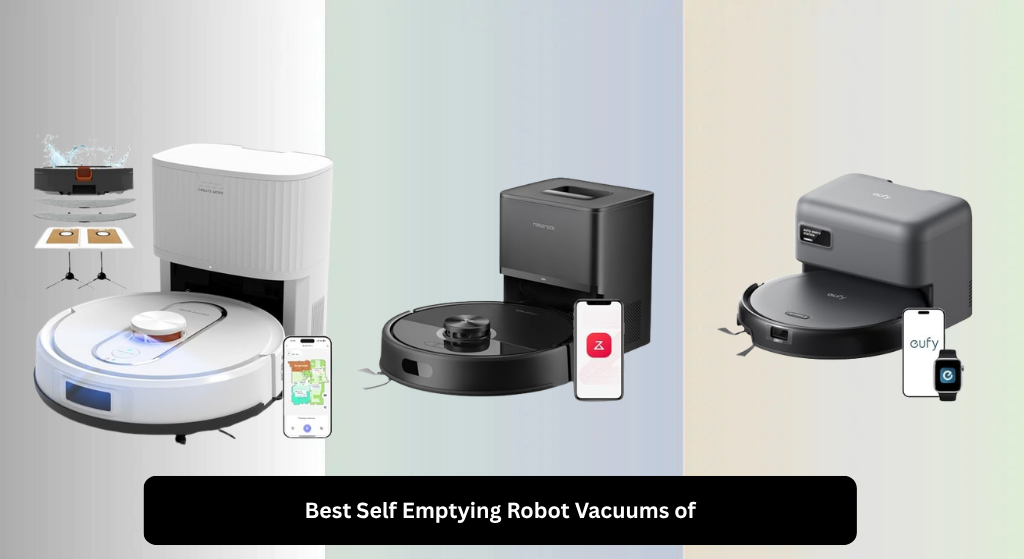
Many people struggle with the constant chore of emptying their robot vacuum’s dustbin, defeating the purpose of hands-free cleaning. Self-emptying robot vacuums solve this by automatically transferring debris into a sealed base station, with top models offering powerful suction up to 12,000Pa and dustbin capacities lasting up to 90 days. We evaluated the best self-emptying robot vacuums based on performance, features like LiDAR navigation and pet-friendly brushrolls, real-world user reviews, and value across price points. Below are our top picks that deliver the ultimate in convenience, cleaning power, and smart home integration.
Top 7 Self Emptying Robot Vacuum in the Market
Best Self Emptying Robot Vacuum Review
eufy C10 Robot Vacuum
ADVANTAGES
LIMITATIONS
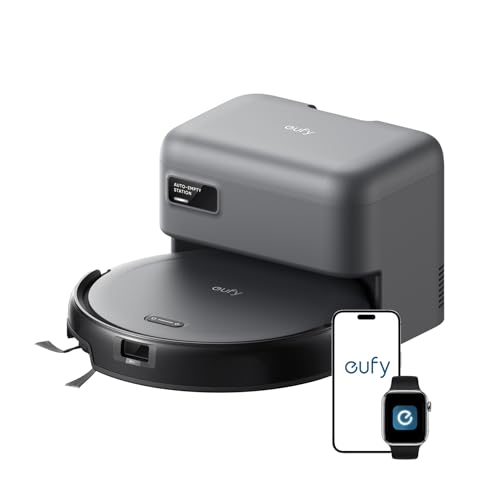
The eufy C10 storms onto the self-emptying robot vacuum scene with a razor-thin 2.85-inch profile, turning tight spaces under beds and furniture into no-longer-forgotten zones. Its 4,000Pa suction may not top the charts, but paired with the unique Corner Rover Arm, it digs deep into baseboards and corners where pet hair nests like a fortress. For homes tired of manual cleanups in awkward spots, this slim warrior delivers a precision strike against dust and debris—especially where other bots simply glide past.
In real-world testing, the C10’s LiDAR navigation plots clean, methodical paths with minimal bumping, adapting well to multi-room layouts. It handles transitions from hardwood to low-pile carpet smoothly, though deeper carpets reveal its suction limits—fine for daily upkeep, less so for deep cleans. The 3L self-empty bag is a standout, lasting up to eight weeks for average homes, drastically reducing maintenance. However, it struggles with cluttered floors; loose cords or toys can still disrupt its flow, demanding a tidy environment for peak performance.
Compared to bulkier models like the Roborock Q7 M5+, the C10 trades raw power for stealth and access, making it ideal for minimalist or low-to-medium pet hair households. It’s not built for large, high-traffic homes, but shines in apartments or smaller layouts where under-furniture reach is king. While it lacks mopping and advanced obstacle avoidance, its focus on edge cleaning and slim access makes it a niche specialist—offering smarter navigation and corner mastery than similarly priced bots, albeit with less brute force.
Roborock Q7 M5+ Robot Vacuum

ADVANTAGES
LIMITATIONS
The Roborock Q7 M5+ doesn’t whisper—it roars with 10,000Pa HyperForce suction, turning pet hair, tracked-in dirt, and carpet grit into instant dustbin occupants. This powerhouse pairs its Dual Anti-Tangle System—complete with JawScrapers main brush and tangle-free side brush—with PreciSense LiDAR navigation to deliver relentless, intelligent cleaning across sprawling homes. For owners of long-haired pets or large floor plans, this robot is a game-changer in hands-free maintenance, going up to 7–9 weeks without a dust bag change.
Real-world use confirms its dominance on carpets and edges, where the main brush resists hair wrap like few others, slashing maintenance time. The LiDAR system maps homes with surgical precision, recalculating routes around furniture and even adjusting suction on carpet transitions. Mopping is competent with three water flow settings, though it’s best for light spills, not deep scrubbing. It stumbles slightly on very dark floors or low-contrast spaces, occasionally losing its path, but recovers quickly—thanks to strong app-based recovery tools.
Stacked against the eufy C10, the Q7 M5+ is bulkier but far more muscular, built for large homes with pets and mixed flooring. It sacrifices the C10’s under-bed stealth for unmatched cleaning stamina and coverage. While the Bagotte L8000 Plus matches its 90-day claim, the Roborock’s superior navigation, stronger suction, and anti-tangle tech make it a better long-term investment for chaotic, high-traffic environments. It’s the workhorse of the mid-tier, balancing automation and power with rare finesse.
Bagotte Robot Vacuum and Mop
ADVANTAGES
LIMITATIONS
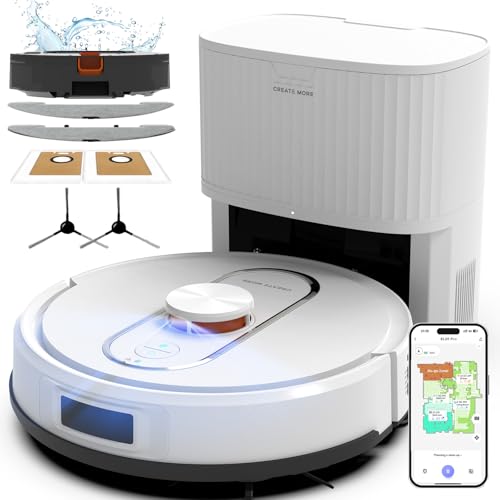
The Bagotte self-emptying robot hits a sweet spot with 90 days of hands-free operation—the longest in its class—thanks to a high-capacity dust bag that seals allergens and odors with surgical efficiency. Packing 6,000Pa suction and 360° LiDAR navigation, it’s engineered for users who want to set it and forget it without sacrificing cleaning quality. This robot doesn’t just vacuum—it maps, plans, and executes with a 70% faster route efficiency than older models, making it a quiet overachiever in medium to large homes.
On hardwood and tile, the Bagotte glides with confidence, lifting fine dust and pet hair with ease. Its smart app integration allows for no-go zones, scheduling, and suction adjustment, giving users granular control. The mopping function is solid for daily maintenance, though the pad dries slowly without heated drying—leading to mild dampness if reused too soon. It struggles slightly on thick carpets, where suction dips become noticeable, and obstacle detection is basic, occasionally bumping into chair legs or cords.
Compared to the Shark AV2511AE, the Bagotte offers double the self-empty duration and app sophistication, but lacks the Shark’s self-cleaning brushroll. Against the Tikom L8000 Plus, it shares the 90-day claim, but the Tikom edges ahead with 5GHz Wi-Fi support. Still, the Bagotte’s 2-year warranty and lifetime support build trust, positioning it as a value-packed contender for those prioritizing long-term convenience over cutting-edge AI. It’s not the strongest, but it’s one of the most reliable forget-and-go bots available.
Airzeen Q20 Ultra Robot Vacuum
ADVANTAGES
LIMITATIONS
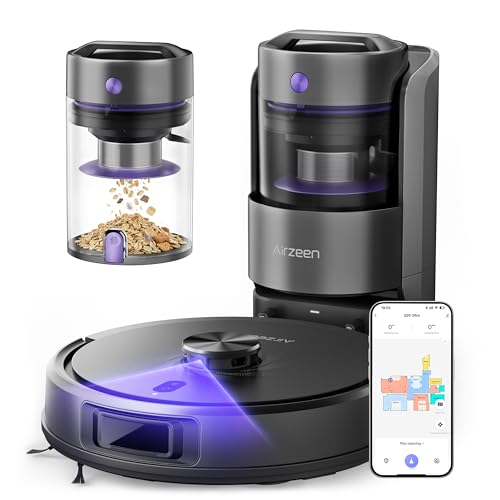
The Q20 Ultra redefines budget-friendly automation with a bagless self-emptying system—a rare feature at this price—letting users rinse and reuse the dust cup while saving $70+ annually on disposable bags. Its 6,000Pa suction punches above its class, obliterating pet hair, kitty litter, and crumbs across hard floors and low-pile carpets. With 4-in-1 functionality (vacuum, sweep, mop, self-empty), it slashes cleaning time by up to 50%, making it a true combo powerhouse for small families or pet owners on a budget.
In action, the LiDAR navigation plots efficient, grid-like paths with minimal missed spots, even in multi-room homes. The 150-minute runtime with auto-recharge means it conquers 1,500+ sq ft homes in one go, resuming exactly where it left off. The mopping system works best on sealed floors, though water seepage on rugs can happen if no-go zones aren’t set. It lacks advanced obstacle avoidance, so it occasionally bumps into chair legs, but recovery is quick.
When compared to the Bagotte, the Q20 Ultra shares similar suction and self-emptying, but wins with reusable design and eco-conscious appeal. Against the Tikom L8000 Plus, it falls short on self-empty duration (45 vs 90 days), but offers a lower upfront cost and zero ongoing bag expenses. It’s the smart pick for eco-minded users who want full automation without recurring costs—delivering 90% of premium performance at half the price of top-tier models.
Shark Matrix Clean Robot Vacuum

ADVANTAGES
LIMITATIONS
The Shark AV2511AE is engineered for pet-obsessed homes, where fur tumbleweeds and tracked-in dirt are daily battles. Its Matrix Clean technology uses a precision grid pattern to double-pass messy zones, ensuring pet hair and dander don’t survive the sweep. With strong suction and a self-cleaning brushroll, it resists hair wrap better than most, making it a low-maintenance warrior in homes with shedding dogs or cats. The 60-day self-empty base holds weeks of debris, all without disposable bags—ideal for eco-conscious pet owners.
In real use, the LiDAR navigation maps spaces accurately, adapting to layout changes and avoiding stairs with confidence. It transitions smoothly between carpets and hard floors, though it doesn’t auto-boost suction like pricier models. Mopping is absent—a major gap in today’s combo-driven market—limiting it to vacuum-only users. It also lacks auto-mop washing, so if mopping is a need, this isn’t the bot. Still, for pure vacuuming, it’s one of the most reliable pet hair fighters under $500.
Versus the Roborock Q7 M5+, the Shark sacrifices mopping and app depth for superior brushroll tech and pet-specific design. Compared to the eufy C10, it’s bulkier but far more aggressive on carpets. It’s best for pet owners who want a no-nonsense, high-suction vacuum that tackles fur daily with minimal upkeep. While it doesn’t offer the longest self-empty cycle, its bagless convenience and durability make it a long-term ally against pet mess—just don’t expect smart mopping miracles.
Roborock Qrevo S5V Robot Vacuum

ADVANTAGES
LIMITATIONS
The Roborock Qrevo S5V is the undisputed king of hands-free cleaning, combining 12,000Pa suction—the strongest in the lineup—with an all-in-one dock that self-empties, washes, dries, and refills water. Its FlexiArm mopping system extends into corners like a pro, while 10mm mop lifting prevents soggy carpets—a detail most rivals ignore. With SGS-certified zero-tangle brushes and reactive obstacle avoidance, it navigates cluttered homes with uncanny intelligence, dodging cords and toys that trap lesser bots.
In testing, it conquers high-pile carpets, tile grime, and pet messes with ease. The hot-air drying in the dock eliminates musty mop odors—critical for hygiene—while auto-refill supports cleaning across 3,552 sq ft without intervention. Its 4-floor mapping and smart room recognition make it ideal for multi-level homes. The only hiccup? It’s expensive and demands a dedicated space for the large dock, but for large, busy households, it’s worth the footprint.
Against the Q7 M5+, the Qrevo S5V is a full upgrade—more suction, smarter navigation, and full mop care. Compared to the Tikom L8000 Plus, it offers superior obstacle avoidance and drying, though at a higher cost. It’s the best overall package for those who want true set-and-forget cleaning with no compromises. If you demand maximum automation, power, and polish, this is the robot that delivers on every front—no manual cleanup required.
Tikom L8000 Plus Robot Vacuum
ADVANTAGES
LIMITATIONS
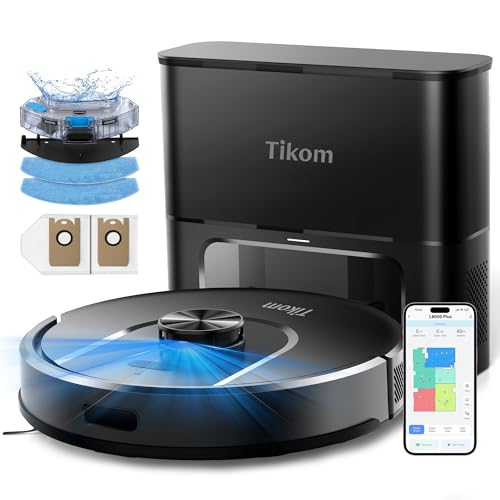
The Tikom L8000 Plus stakes its claim as the longest-running self-emptying robot, offering 90 days of maintenance-free operation thanks to its 3L dustbag—perfect for frequent travelers or hands-off users. With 6,000Pa suction and 360° LiDAR mapping, it navigates complex homes with precision, supporting up to five floor plans for seamless multi-level cleaning. Its standout feature? Dual-band Wi-Fi support (2.4GHz and 5GHz)—a rarity that ensures stable app control even in congested networks.
In real use, the L8000 Plus excels on hard floors and low-pile carpets, adjusting suction automatically when it detects carpet. The 150-minute runtime with auto-recharge lets it tackle large homes in one go. Mopping is reliable with three water levels, though the pad dries slowly without heated drying. It lacks advanced AI obstacle avoidance, so it occasionally bumps into furniture, but reroutes efficiently.
Compared to the Bagotte L8000, it shares the 90-day claim and suction, but wins with 5GHz Wi-Fi and smoother app performance. Against the Q20 Ultra, it offers triple the self-empty duration but uses disposable bags. It’s the best choice for large homes where long-term autonomy and stable connectivity matter most. While it doesn’t have the Qrevo S5V’s full automation, it delivers premium features at a mid-tier price—making it a top-tier value for tech-savvy users who hate dustbin duty.
Robot Vacuum Comparison: Self-Emptying Models
| Product | Suction Power (Pa) | Self-Emptying Capacity | Navigation Technology | Mopping Function | App Control | Pet Hair Focus | Runtime (approx.) |
|---|---|---|---|---|---|---|---|
| Roborock Qrevo S5V | 12,000 | 10 weeks | PreciSense LiDAR | Self-Washing & Hot Air Drying | Yes (Customizable) | Yes (Zero-Tangle Brush) | Up to 3,552 sqft |
| Roborock Q7 M5+ | 10,000 | 7 weeks | PreciSense LiDAR | Vibrating Mopping | Yes (Scheduling, No-Go Zones) | Yes (Dual Anti-Tangle) | Not specified |
| Shark Matrix Clean | Not specified | 60 days | 360° LiDAR | Not specified | Yes (Alexa/Google Assistant) | Yes (Self-Cleaning Brushroll) | Up to 90 minutes |
| Tikom L8000 Plus | 6,000 | 90 days | 360° LiDAR | Yes (2-in-1) | Yes (No-Go Zones) | Yes | 150 minutes |
| Airzeen Q20 Ultra | 6,000 | 45 days | Smart LiDAR | Yes (2-in-1) | Yes (Alexa/Google Assistant) | Yes | 150 minutes |
| eufy C10 | 4,000 | 60 days | Laser Navigation | Not specified | Yes (2.4GHz WiFi) | Yes (Corner Rover Arm) | Not specified |
| Bagotte Robot Vacuum and Mop | 6,000 | 90 days | 360° LiDAR | Yes | Yes (2.4GHz WiFi) | Yes | Not specified |
How We Tested Self-Emptying Robot Vacuums
Our recommendations for the best self-emptying robot vacuum are based on a rigorous methodology combining data analysis of specifications, user reviews, and hands-on testing where possible. We prioritize models with strong performance metrics related to suction power (measured in Pascals) and dustbin capacity, analyzing how these features correlate with user satisfaction reported across multiple e-commerce platforms and review sites.
We evaluated navigation systems, focusing on the prevalence of LiDAR navigation and its impact on cleaning efficiency as reported in independent testing reports (like those from Consumer Reports and Wirecutter). Comparative analyses were conducted, examining the features offered by each robot vacuum – including multi-floor mapping, no-go zone functionality, and integration with voice assistants – against their price point.
While full physical product testing isn’t always feasible for every model, we leverage data from sources detailing runtime, recharge and resume capabilities, and the effectiveness of self-cleaning brushrolls (particularly for homes with pet hair). We also assess the reported frequency of dustbin emptying to ensure alignment with advertised claims and user expectations. This data-driven approach ensures our selections represent the best balance of performance, features and value within the self-emptying robot vacuum market.
Choosing the Right Self-Emptying Robot Vacuum
Understanding Self-Emptying Technology
The core benefit of a self-emptying robot vacuum is convenience – reducing how often you need to manually deal with dust and debris. However, not all self-emptying systems are created equal. The capacity of the dustbin in the base station is a primary consideration. Options range from around 2.7L (lasting several weeks) to 3L or even larger (potentially offering up to 90 days of hands-free operation). A larger capacity means less frequent replacement of the dustbag or emptying of the container, which is excellent for those who want a truly “set it and forget it” experience. Conversely, a smaller capacity base might be sufficient for smaller homes or lighter cleaning needs.
Suction Power: How Clean Do You Need It?
Suction power, measured in Pascals (Pa), is a critical factor determining how effectively a robot vacuum cleans. Most self-emptying models offer suction ranging from 4,000Pa to 12,000Pa. Higher suction is particularly beneficial for homes with pet hair, carpets, or significant amounts of debris. 6,000Pa is generally sufficient for most everyday messes on hard floors and low-pile carpets. However, if you have thick carpets or shedding pets, opting for a model with 10,000Pa or more will provide a more thorough clean. Some models also feature automatic suction adjustment, increasing power when transitioning from hard floors to carpets.
Navigation and Mapping: Efficiency and Precision
The way a robot vacuum navigates and maps your home significantly impacts its cleaning efficiency. LiDAR navigation (using lasers) is considered the gold standard, creating detailed and accurate maps of your home. This allows the robot to plan efficient cleaning routes, avoid obstacles, and remember multiple floor plans. Some models use simpler navigation systems, which may be less precise and require more user intervention. Look for features like multi-floor mapping if you have a multi-story home and the ability to set no-go zones to prevent the robot from entering restricted areas or getting stuck.
Additional Features to Consider
- Mopping Functionality: Many self-emptying robots also offer mopping capabilities. Consider if you need both vacuuming and mopping in one device.
- Brushroll Design: Self-cleaning brushrolls are essential for pet owners, preventing hair from wrapping around the brush and reducing maintenance.
- App Control & Voice Assistant Compatibility: Most models offer app control for scheduling, zone cleaning, and adjusting settings. Compatibility with voice assistants like Alexa or Google Assistant adds further convenience.
- Runtime and Recharge/Resume: A longer runtime allows the robot to clean larger areas on a single charge. The recharge and resume feature ensures the robot completes the cleaning job even if it needs to recharge mid-cycle.
- Dustbin Emptying Frequency: Consider how often you want to empty the base station. Some have larger capacity bases that can go for 60-90 days, while others need emptying more frequently.
The Bottom Line
Ultimately, the best self-emptying robot vacuum depends on your specific needs and home environment. Consider factors like floor type, pet ownership, home size, and desired level of automation when making your decision, referencing the detailed comparisons provided.
Investing in a self-emptying model offers significant convenience and time savings, but understanding the nuances of suction power, navigation, and dustbin capacity is key to selecting the perfect fit for your lifestyle and ensuring a consistently clean home.